Bangkok, Thailand — The Thai Meteorological Department (TMD) has placed authorities and residents across the Kingdom on high alert, issuing a comprehensive weather advisory for October 9–13 forecasting severe thundershowers, gusty winds, localized hail, and isolated heavy to very heavy rainfall.
The volatile weather pattern stems from a seasonal transition: a moderate high-pressure system from China extending over upper Thailand is interacting with a monsoon trough shifting southwards, while active monsoonal winds continue to prevail over the Gulf of Thailand and the Andaman Sea.
Regional Timeline and High-Risk Zones
The impact of the weather system will unfold across multiple regions over the five-day period, with varying windows of severity:
-
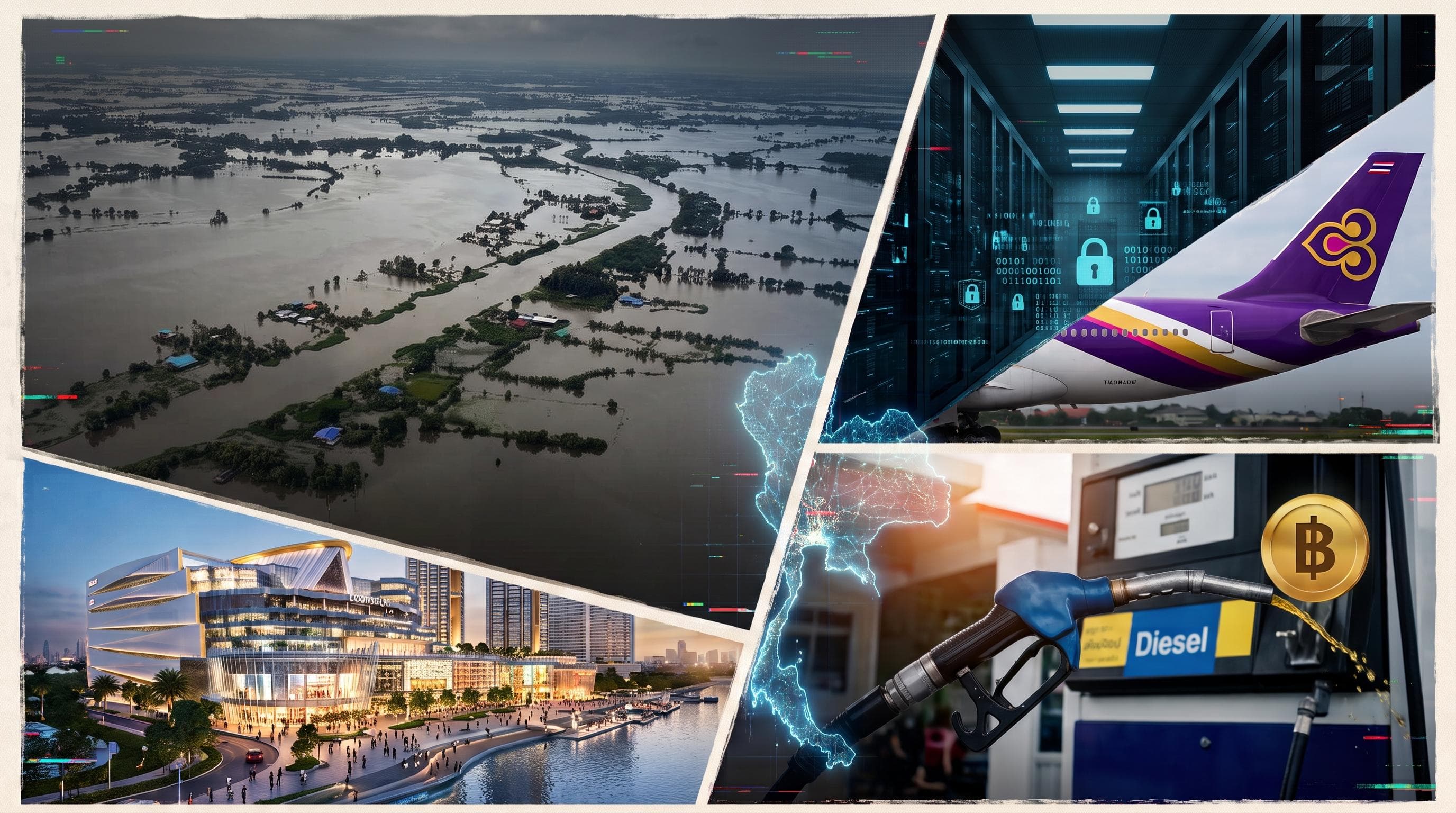
Southern Thailand (October 9–13): The southern provinces will bear the brunt of the storm system throughout the entire duration. With heavy downpours occurring persistently over saturated ground, the region faces acute risks of sudden flash floods, hillside runoffs, and river overflows.
-
Bangkok and Surrounding Provinces (October 10–12): The capital along with adjacent provinces—including Nonthaburi, Pathum Thani, and Samut Prakan—falls under the warning zone starting Friday, October 10. Forecasters project intense downpours that could exacerbate existing urban waterlogging and trigger local drainage bottlenecks.
-
Central and Eastern Regions: Central plains and eastern provinces will see heightened precipitation and stormy weather between October 10 and 11, with isolated pockets expected to experience hail and sharp wind gusts.
Maritime Hazards and Inland Safety Advisories
In its forecast, the department highlighted substantial risks for coastal communities and maritime traffic. While general sea conditions feature moderate waves, open waters in both the Andaman Sea and the Gulf of Thailand are forecast to see waves rising well above 2 meters directly within storm cells.
The TMD has advised all mariners, ferry operators, and small fishing vessels to exercise extreme caution, keep constant track of nautical updates, and avoid venturing into stormy areas altogether.
For residents inland, disaster management officials have urged the public to inspect residential drainage, secure loose outdoor fixtures, and steer clear of large billboards, tall trees, and ungrounded structures during severe squalls. Commuters across metropolitan Bangkok and travelers in foothill zones of the South have been encouraged to plan routes carefully and stay tuned to regular meteorological bulletins as the system develops.